For more than a decade, donors have played a decisive role advancing state-level education reform and expanding opportunity for millions of students. But with rapid policy change, rising concerns about student outcomes and new pressures on states and schools, many donors are asking: What’s next?
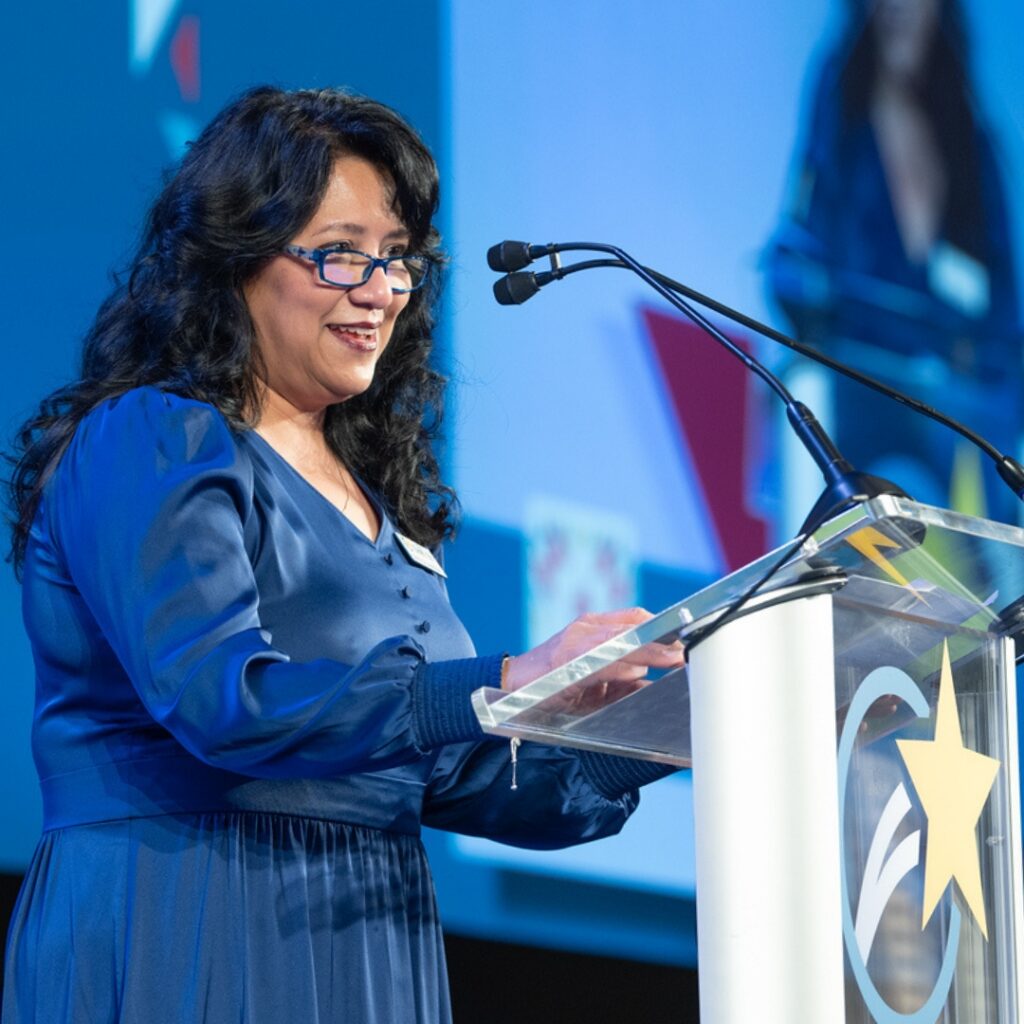
Patricia Levesque, CEO of ExcelinEd, recently sat down with Philanthropy Roundtable to help donors understand the current landscape and the highest-impact opportunities ahead. She discussed the major reforms shaping 2026, the risks that threaten progress and why state-level policy design and implementation matter now more than ever.
This interview has been edited for length and clarity.
Q: What’s your take on the education reform landscape right now? What are the biggest opportunities and challenges for the sector?
Levesque: At ExcelinEd, everything begins with our mission: ensuring every child in America has access to a high-quality education that prepares them for success in life. We advance this mission by supporting governors, legislators and education leaders as they design and implement evidence-based, student-centered policies—and by maintaining deep expertise at the state level, where durable reform happens.
In 2026, states are in a period of historic momentum. Major reforms, especially in early literacy, have passed across the country. Our focus now is helping states implement these laws with fidelity. Math is also a significant area of expansion for us, as we apply lessons from literacy reforms to address clear declines in math achievement, especially beyond fourth grade.
Artificial intelligence presents another challenge. AI has real instructional benefits, but states need clear guardrails to ensure students maintain productive struggle, avoid inappropriate content and don’t adopt tools prematurely. Developing model policy is essential so districts aren’t left to navigate this disruption alone.
We are also concerned about the well-being of young men—rising mental health issues, declining college enrollment and addictions tied to gaming, betting and technology. Education systems must adapt so technology empowers rather than exploits students and creates meaningful pathways to the workforce.
Q: Where do you think philanthropic dollars are most needed these days? If donors want to support meaningful progress, where should they focus?
Levesque: Some of the most promising opportunities lie in helping states connect high-quality policy to measurable outcomes. States are increasingly willing to advance foundational reforms—early literacy, math achievement, accountability, educator talent, school choice and workforce pathways. But sustaining momentum is critical. When states ease off, gains fade.
One encouraging example is the “Southern Surge,” where states like Mississippi, Louisiana, Tennessee, South Carolina and Alabama—once known for lackluster outcomes—are now seeing measurable academic gains thanks to years of disciplined, evidence-based policymaking. Continued philanthropic support can help ensure these gains endure.
Q: What key challenges and opportunities should donors keep in mind when planning their giving?
Levesque: One major challenge is the perception that education reform is either incremental or polarizing. In reality, the most effective work is practical, bipartisan and rooted in strong evidence—particularly the science of reading, fundamentals of math, accountability and transparency.
States are also overwhelmed by the rapid growth of AI tools. Districts need help making sense of what works and what doesn’t. Developing model policy—and supporting state leaders as they adopt and implement it—is a major opportunity for donors.
States with universal education savings accounts face their own hurdles: payment systems, quality controls and parent outreach. Philanthropy can play a critical role in helping states build effective administration and strong pipelines of quality options.
Finally, adolescent literacy requires urgent attention. Students face increasingly complex academic vocabulary but lack dedicated reading instruction. Policy and implementation support in this area is essential.
Q: What risks or constraints should donors be paying closer attention to?
Levesque: Political volatility is a major constraint. This year’s landscape—with 36 gubernatorial races and 17 open seats—means new leaders and new priorities. That volatility can both accelerate and derail reforms. Donors should prioritize support for organizations with long-standing relationships and deep state-level presence.
Another major risk is misalignment between short grant cycles and long reform timelines. Meaningful policy change takes five to 10 years, from advocacy through implementation to measurable outcomes. One- or two-year grants aren’t sufficient. Effective donors embrace multi-year commitments.
Additionally, many efforts fail because implementation is underestimated. Passing a bill is only the first step. Ensuring it is executed well, measured honestly and improved over time, is where impact actually happens.
Q: What feels underfunded but high leverage for donors who want their dollars to go further?
Levesque: Implementation support is one of the most underfunded but highest-leverage opportunities in education reform. When states pass mandates—on literacy, ESAs or anything else—the real work begins: training educators, supporting parents, monitoring fidelity and troubleshooting problems in real time. A philanthropic dollar here can have an outsized impact.
There is also an urgent need for improved instructional materials reviews. High-quality instructional materials (HQIM) refers to reading and math curricula aligned with state academic standards and supported by evidence of effectiveness. However, there is no single national authority that certifies them.
While independent organizations and reviewers such as EdReports assess alignment and quality, most states lack a widely trusted HQIM list that captures two essential dimensions: the absence of three-cueing teaching methods across materials and the presence of rich vocabulary and knowledge-building. No existing list consistently evaluates both.
The same is true for EdTech and AI tools. Districts are inundated. Donors could help create an EdReports style review system aligned to guardrails on privacy, transparency, nonaddictive design and instructional effectiveness.
We also see a major gap in translating rigorous research into accessible formats for legislators, parents and school board members. Funding credible, digestible research communication is surprisingly high-leverage.
Q: If you were directing grant dollars today, where would you focus?
Levesque: I would invest in a broad but targeted policy agenda, shaped around five fundamental areas:
- K–8 literacy and math — closing foundational gaps to build a stronger, more productive generation.
- Education-to-workforce pathways — equipping students to graduate ready for work, college or military service.
- Measurable accountability — establishing comparable, high standards across states and globally.
- Family empowerment and choice — ensuring dollars follow students so families have high-quality options.
- The intersection of education and technology — helping states balance the benefits and risks of AI.
Policy change depends on relationships—with legislators, governors, agency leaders and local stakeholders. I would fund organizations with deep, on-the-ground expertise capable of translating policy ideas into durable, long-term change.
And in this moment of disruption, I would support work that is both innovative and human-centered—ensuring new technologies and reforms help students thrive while guarding against risks that could undermine academic and life success.
The message for donors is clear. The groundwork for meaningful education reform has been laid, but its success now relies on continued effort. Donors can make the biggest difference by helping states put reforms into practice and making sure students see real benefits. By supporting trusted organizations and their work in communities, donors can help turn today’s progress into lasting opportunities for millions of children.
If you would like to learn more about ExcelinEd or how Philanthropy Roundtable supports K-12 education, please contact Pathways to Opportunity Program Director Stephen Allison.
