Mental Health PlaybookFathers’ UpLift, Inc.
- Geographic Focus: National
- Mission: To empower fathers by providing comprehensive support, helping them overcome barriers to active involvement in their children’s lives, while advocating for the rights of mothers and women nationwide.
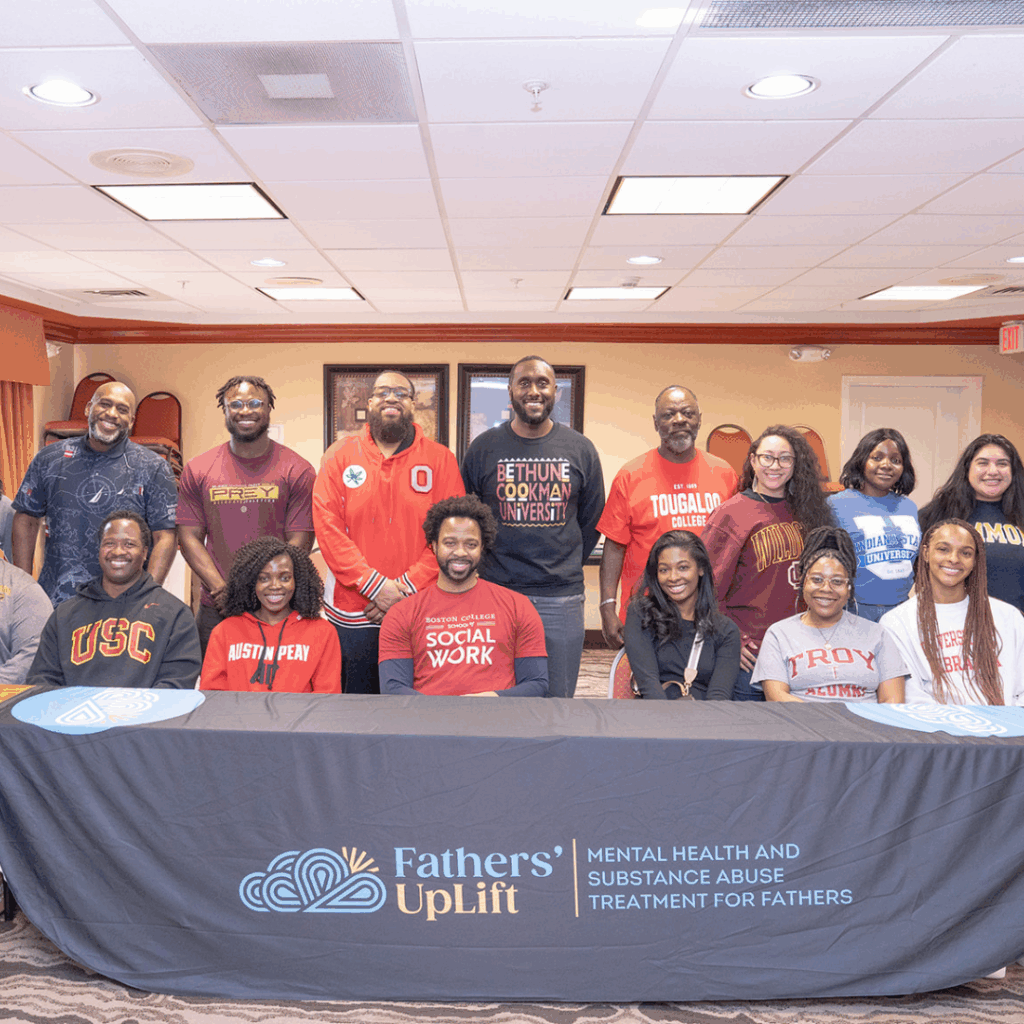
- People Served: Fathers, youth without fathers, families and individuals transitioning from incarceration, as well as second-year master’s students pursuing careers in clinical social work and mental health counseling
- Operating Budget: $3.2 million
- Focus Areas and Core Competencies:
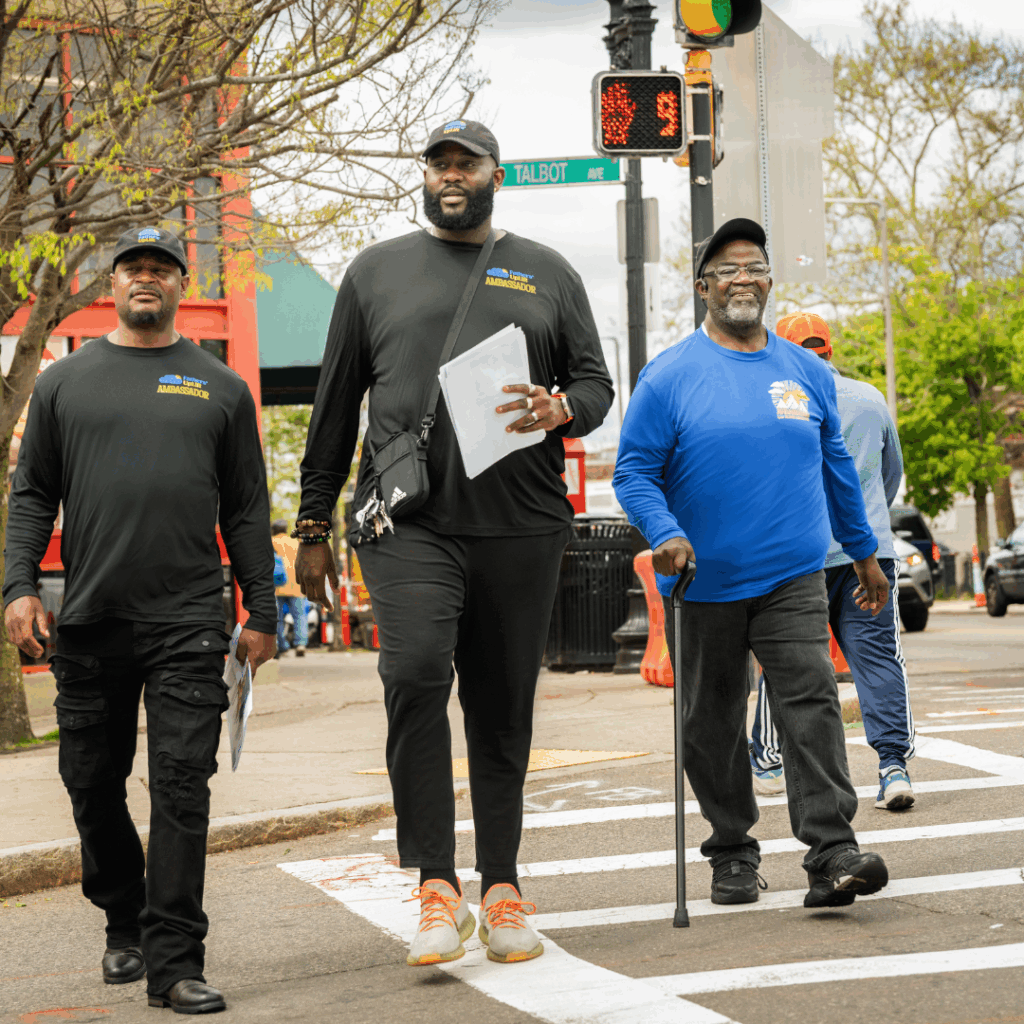
- To provide comprehensive reentry support for formerly incarcerated fathers, facilitating their successful reintegration into society.
- To drive workforce development and advocacy efforts that promote healthy family dynamics and strong parent-child relationships.
Impact Statement
Fathers’ UpLift has empowered over 16,000 program participants since its inception and achieved a remarkable milestone with no participants reoffending in 2024. Our clinician licensure passage rate for our social work and mental health counseling interns in the United States exceeds 70%.
A Conversation with Dr. Charles Daniels, Jr., CEO of Fathers’ UpLift
Q: What is the mission of your organization? What specific areas related to mental health challenges is your nonprofit working to solve?
Fathers’ UpLift is committed to empowering fathers by providing comprehensive direct care, reentry support for those transitioning from incarceration, workforce development and advocacy. Our mission is to assist dads in navigating and overcoming challenges that can hinder their active involvement in their children’s lives, which may stem from racism, emotional issues, trauma or addiction.
We also proudly stand in solidarity with mothers and women across the nation, advocating for their rights and autonomy. By doing so, we aim to create a supportive community that fosters healthier family dynamics and strengthens the bonds between fathers and their children.
Q: How do you describe the big goals your organization is working to achieve? How do you measure impact?
Our big goals include reducing recidivism, enhancing father-child relationships, fostering family stability and reducing the licensing exam disparity that prevents emerging therapists from entering the field. We also aim to address the nationwide shortage of clinicians. We measure our impact through participant retention rates, recidivism statistics, participant licensure passage rate and qualitative improvements in family dynamics.
Q: What are some of the biggest challenges the organization has experienced working to accomplish its mission? How did your organization overcome those challenges?
Fathers’ UpLift has faced several significant challenges in working to accomplish its mission, particularly during the pandemic. One of the biggest issues has been retaining staff amidst the heightened stress and uncertainty that the pandemic brought. We recognized that our team members were not only managing their own personal challenges but also the emotional weight of supporting the fathers and families in our program.
To address this, we prioritized the well-being of our staff by implementing flexible work schedules and increasing opportunities for mental health support. Regular check-ins allowed us to create an environment where staff felt safe to voice their concerns and share their feelings. We also fostered a culture of care, where we encouraged team members to take time for themselves and reinforced the importance of self-care in our work.
Additionally, communication became key to ensuring that both our staff and the families we serve felt connected and valued. We worked hard to articulate the significance of our mission without isolating or stigmatizing the fathers we support. By sharing success stories and highlighting the positive impact of our efforts, we fostered a sense of community among all stakeholders. This approach helped not only in forging strong team bonds but also in engaging the community in a way that normalized the conversations around fatherhood and support.
Overall, by focusing on care for both our staff and the families we work with, and by maintaining open lines of communication, we were able to navigate through these challenges and continue making progress toward our mission.
Q: What are your organization’s biggest needs? How can philanthropists help your organization achieve its goals?
Fathers’ UpLift has two primary needs: funding for direct support services and resources for our workforce development movement. Philanthropists can assist us by providing the financial support necessary to expand our programs and reach more fathers in need. The more practitioners we train to provide care, and the more who successfully attain their licenses, the greater the economic stability they will experience personally. Additionally, this will help meet the growing demand for trained clinicians who can address a variety of mental health challenges.
Q: Beyond the organization, where should philanthropists who care about advancing knowledge related to improving mental health invest their charitable dollars?
Philanthropists who are committed to improving mental health should consider investing their charitable dollars in several key areas beyond their organizations. First, funding community-based programs that tackle underlying issues affecting families such as mental health services, addiction recovery programs and initiatives promoting fatherhood engagement is essential. Supporting women in their caregiving roles is also important.
Additionally, philanthropists should focus on efforts to reduce disparities in licensing exams and support the training of new therapists to help alleviate the nationwide shortage of clinicians. It is also crucial to support legislation that promotes licensing compacts within multiple states. These compacts would enable clinicians to practice across state lines and obtain the necessary licenses, thereby making it easier for them to serve constituents in their own states and beyond.
Addressing the mental health crisis requires a collective effort, rather than individual actions. Licensing compacts foster collaboration among states, ultimately helping to tackle the shortage of mental health professionals.

Contact Our Team
Contact the Roundtable’s Programs team to learn more about this investment opportunity.