Mental Health PlaybookThe Warrior’s Journey
- Geographic Focus: National and overseas U.S. military communities
- Mission: The Warrior’s Journey empowers service members to overcome the unique challenges of military life that lead to invisible wounds, such as isolation, lack of identity, moral injury and even suicide ideation by fostering holistic care through our “Warrior to Warrior” community. A critical part of our ongoing mission includes providing essential suicide prevention services, ensuring veterans receive the support they need.
- People Served: Active-duty military personnel, veterans and their families
- Operating Budget: $3 million
- Focus Areas and Core Competencies:
- To provide holistic support, services and resources to veterans and active-duty military through faith-based, holistic, peer-to-peer connections and personalized resources addressing psychological, emotional, physical, social and spiritual challenges, guiding them to resiliency.
- To create tailored healing with our “Warrior to Warrior” network and leverage a nationwide network of partner organizations.
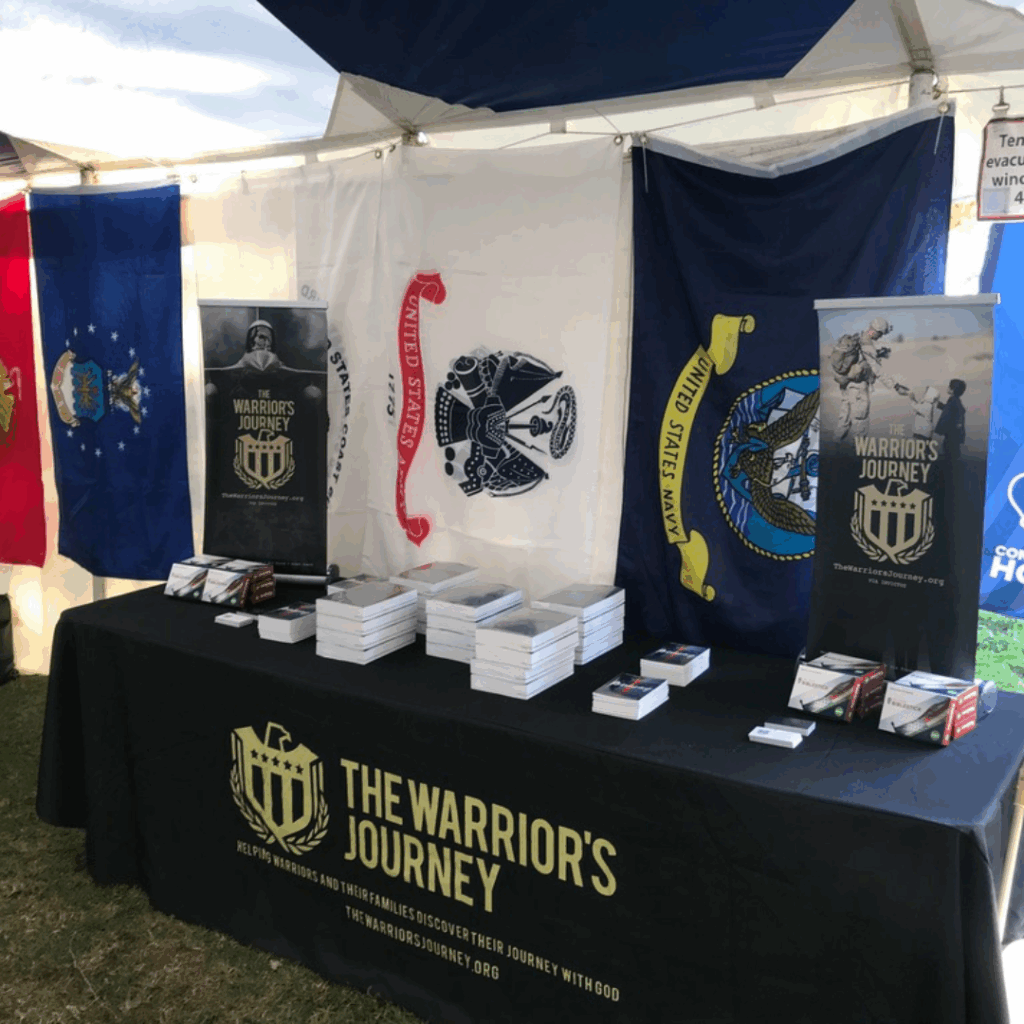
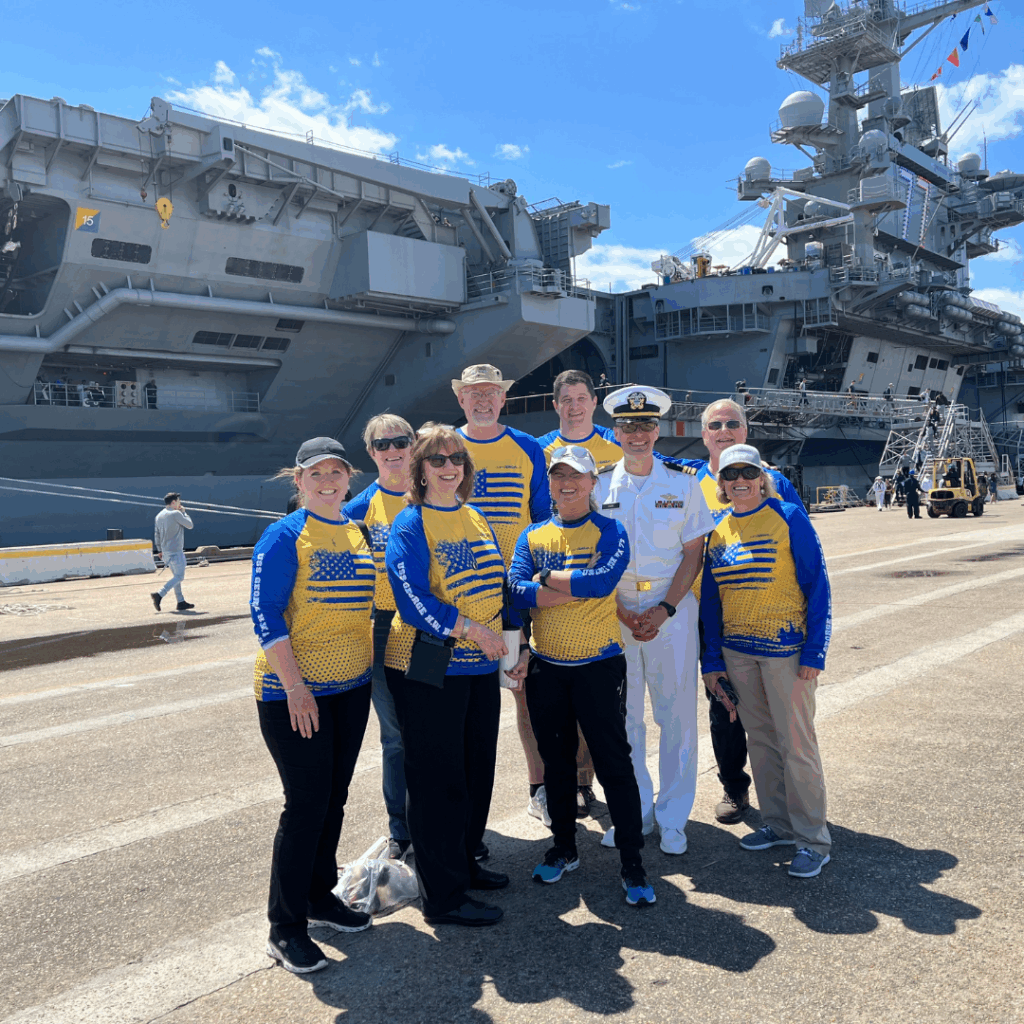
Impact Statement
Since 2015, The Warrior’s Journey (TWJ) has connected with over three million active service members, veterans and their family members. TWJ has over 35,000 case management engagements since 2016, and we continue to provide ongoing case management support to include 6,238 warriors in crisis in 2024 alone. This includes over 4,200 lives through our suicide intervention initiative.
A Conversation with Kevin Weaver, President and CEO of The Warrior’s Journey
Q: What is the mission of your organization? What specific areas related to mental health challenges is your nonprofit working to solve?
The Warrior’s Journey (TWJ) is dedicated to championing active and former military members who confront the unique challenges inherent in military life. Too often, these struggles lead to invisible wounds such as isolation, loss of identity, moral injury and suicidal ideation. By fostering a supportive “Warrior to Warrior” community, we provide holistic care that empowers our nation’s heroes to heal, grow and thrive. This occurs through relational advocacy, where trusted and trained military members and veterans connect with and advocate for Warriors in need through a trusted relationship.
What sets TWJ apart in this mission is our commitment to immediate response and comprehensive support. We respond within 24 hours (within minutes to crisis situations) and offer community resources, interventions and referrals tailored to each individual’s needs. Our swift response time ensures that those in crisis receive immediate assistance, reinforcing our unique position as a dedicated support network deeply integrated into the military community. This proactive approach not only addresses the urgent needs of our Warriors but also fosters a sense of belonging and hope, helping to alleviate the overwhelming challenges they face.
The Warrior’s Journey is a movement of belonging and renewal. By walking alongside service members with empathy and strength, we help them not only survive their struggles, but transform them into pathways toward purpose, resilience and lasting hope.
Q: How do you describe the big goals your organization is working to achieve? How do you measure impact?
TWJ mission is to transform lives by expanding proven practices that address the urgent mental health challenges faced by service members. Over the next five years, we aim to grow our impact tenfold, guided by four core priorities.
Suicide Prevention and Crisis Intervention: TWJ is expanding its outreach and crisis response network, leveraging AI tools and scaling our “Warrior to Warrior” community from 200 to 3,000 volunteers by 2030—ensuring more warriors receive immediate, life-saving support.
PTSD and Trauma Recovery: Through comprehensive Resiliency Centers (currently in Missouri, Germany and Japan), we integrate faith-based practices, peer support and post-traumatic growth principles. Our goal is to increase participation by 300% in three years and establish a center in every U.S. state by 2035.
Isolation and Loss of Purpose: By cultivating mentorships, workshops and training opportunities, we will engage 5,000 warriors annually—doubling our reach—and help warriors rediscover identity, mission and belonging.
Resilience and Healing: Through expanded counseling, partnerships and personalized care, TWJ will strengthen warriors’ psychological, emotional and spiritual well-being, measuring progress through resilience assessments.
Together, these initiatives ensure TWJ not only saves lives but helps warriors thrive, reclaim purpose and build lasting resilience.
Q: What are some of the biggest challenges the organization has experienced working to accomplish its mission? How did your organization overcome those challenges?
One of the greatest challenges TWJ has faced is understanding and addressing the invisible wounds carried by service members and their families. Unlike physical injuries, these wounds often remain hidden, making them more difficult to identify and treat.
Through empirical research with the Pentagon and years of careful study and dialogue with the military community, we developed a framework that identifies 12 distinct challenges most commonly faced by warriors: deep loss, deployments, family brokenness, fear, financial difficulty, hardship of separation, helplessness, insignificance, isolation, lack of identity, moral injury and post-traumatic stress. These categories give us the language and structure needed to triage needs more effectively and respond with the right kind of care and support.
While identifying these challenges was an important step, the next obstacle was creating a model of care that could meet each warrior’s unique circumstances. To address this, we built individualized support pathways that pair the insights from our framework with practical solutions, whether through counseling, mentorship, peer connection or spiritual guidance. By tailoring our response to each person, we move beyond one-size-fits-all approaches and instead provide a pathway toward lasting healing and restoration.
Another ongoing challenge is overcoming the stigma that prevents many warriors from seeking help in the first place. Feelings of insignificance, isolation, and moral injury are often compounded by fear of being misunderstood. We address this by cultivating a culture of trust, offering safe environments where warriors can share openly and by telling success stories that demonstrate healing is possible.
Through these efforts, TWJ continues to transform barriers into bridges by helping service members and their families move from invisible wounds toward visible healing and wholeness.
Q: What are your organization’s biggest needs? How can philanthropists help your organization achieve its goals?
TWJ is working to expand its capacity to meet the growing needs of service members, veterans and their families, with a particular focus on holistic health and healing. One of our greatest needs is sustainable funding to strengthen and scale the development of peer mentoring resources and crisis response initiatives, which are vital in addressing rising demand for warrior care and suicide prevention.
Equally important is the expansion of our Warrior Connector program. These trained peers serve as trusted guides, walking alongside warriors in moments of struggle and connecting them to the care and support they need most. Scaling this effort is critical to ensuring that no warrior faces their battles alone.
Technology also plays a central role in our mission. Continued investment in our AI and digital platforms will allow us to deepen engagement, improve outreach and ensure resources are accessible to warriors across the globe. At the same time, we need financial resources to strengthen our staffing infrastructure including recruiting, training and developing team members who can support our expanding programs with excellence. Raising awareness through broader marketing efforts will also help us reach more warriors in need, while new family-focused programs will provide spouses and caregivers with the tools to foster healing at home.
Q: Beyond the organization, where should philanthropists who care about advancing knowledge related to improving mental health invest their charitable dollars?
We are proud to serve as a service provider and support center that works very closely with a variety of other carefully vetted and highly effective partner organizations. We would encourage philanthropists who care about advancing knowledge related to improving mental health to consider supporting any number of our partner programs, such as the Mighty Oaks Foundation and the REBOOT Recovery program. We would also invite those donors to consider becoming more involved in our program through various volunteer support opportunities, including serving as a Warrior Connector.
Philanthropists who care about advancing mental health should consider investing their charitable dollars in a variety of areas that complement the mission of organizations like The Warrior’s Journey. Here are several impactful areas for investment to consider:
1. Research and Innovation: Fund research initiatives that explore new therapeutic approaches, treatments and interventions for holistic health issues, specifically focusing on military and veteran populations. Continued research can lead to groundbreaking discoveries in mental health care.
2. Community-based Programs: Support initiatives that foster community engagement and peer support among veterans and active-duty military personnel. Programs that emphasize social connection and reduce isolation can be particularly beneficial, as they directly address one of the key challenges faced by this population.
3. Suicide Prevention Initiatives: Fund organizations and programs focused specifically on suicide prevention. This includes training for gatekeepers, awareness campaigns and innovative interventions designed to reduce the risk of suicide among at-risk populations.
4. Holistic Healing Services: Invest in programs that provide holistic approaches to invisible wounds, including initiatives that focus on spiritual-faith based engagements, emotional and physical well-being.
5. Technology and Telehealth: Support the development and use of telehealth services and mental health apps to make care more accessible to veterans and their families, particularly those in remote locations or with mobility issues.
6. Comprehensive Support Systems: Invest in building an integrated network of services that combine support with resources for VA benefits, employment, housing and education, addressing the broader challenges many veterans face.
7. Training and Capacity Building: Fund training programs for mental/spiritual health professionals, peer counselors and community leaders to better understand and address the mental health needs of military personnel and their families.
By tackling these critical areas, philanthropists can make a significant impact on advancing knowledge and improving holistic health outcomes, not only for veterans but for communities at large. Collaboration with vetted partner organizations can further amplify these efforts, leading to sustainable and meaningful changes in warrior support systems.

Contact Our Team
Contact the Roundtable’s Programs team to learn more about this investment opportunity.