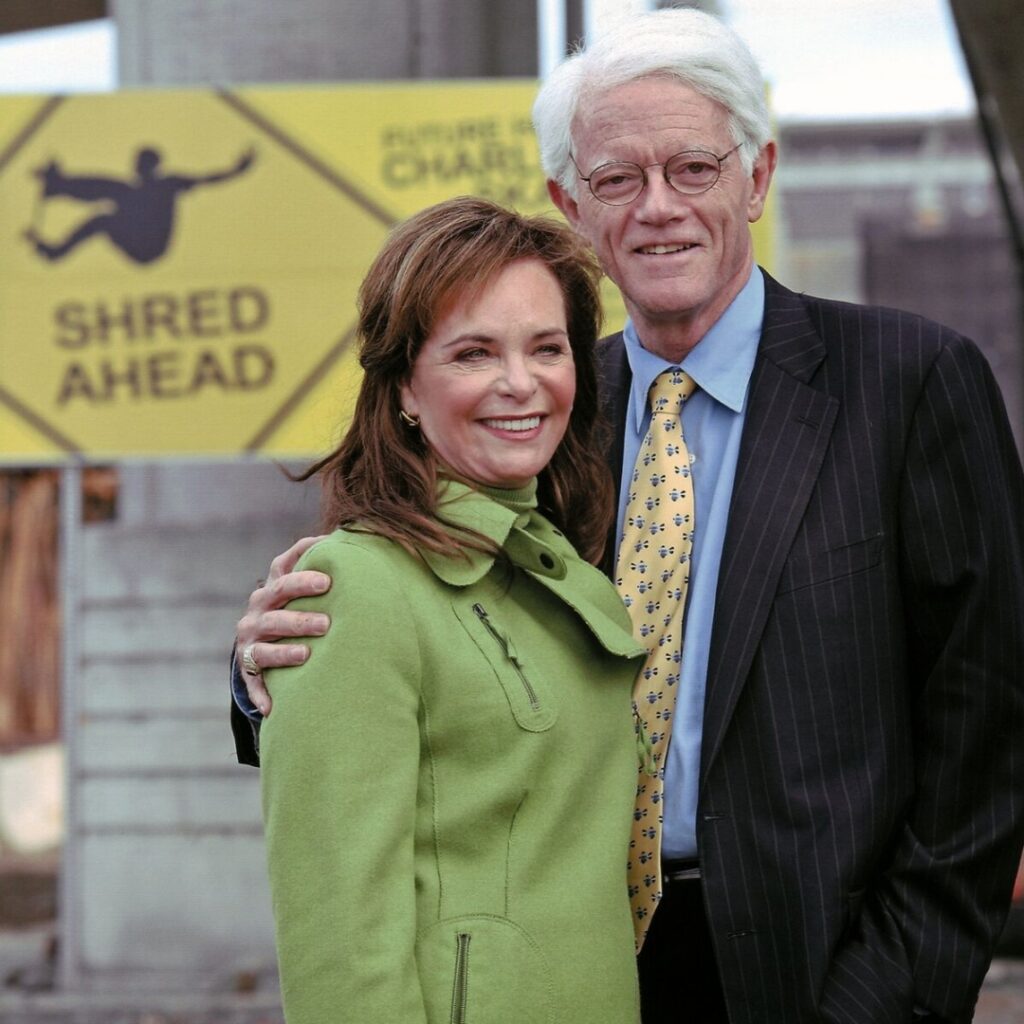
Nearly four decades ago, Carolyn and Peter Lynch embarked on a philanthropic journey rooted in humility, faith, and a deep commitment to service—one that has significantly shaped and strengthened the Greater Boston area. What began as a personal expression of gratitude has evolved into a model of disciplined, values-driven philanthropy, marked by long-term commitment, institutional trust and enduring community impact.
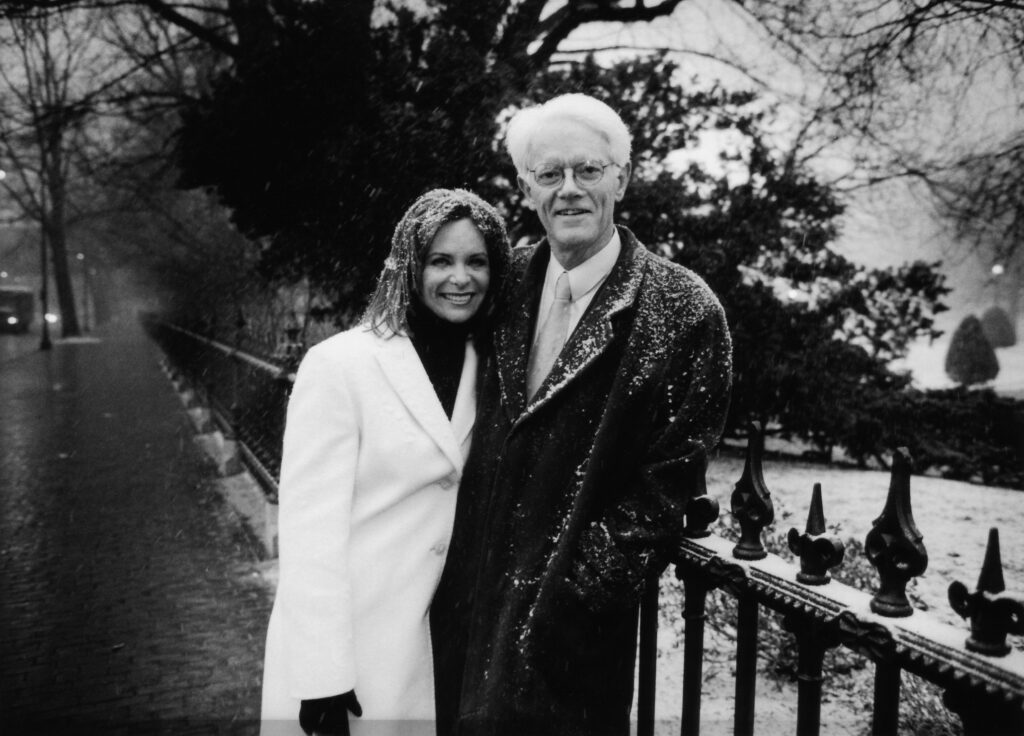
Both Carolyn and Peter Lynch came from modest beginnings that profoundly shaped their understanding of responsibility and stewardship. That conviction took institutional form in 1988 with the founding of The Lynch Foundation. From the outset, the foundation was designed to create opportunity, strengthen civic and social institutions and invest in future generations. Over time, this approach—patient, principled and deeply relational—has defined both the depth and durability of the Lynches’ philanthropic legacy.
“We have four major funding areas that Peter and Carolyn both felt were critically important to them and to society, all steeped in the tenets of their Roman Catholic faith: education; health and social welfare; cultural preservation; and access to open space,” shares Katie Everett, the executive director of the foundation.
Since its founding, The Lynch Foundation has invested about $200 million in these areas, with a consistent focus on organizations that produce tangible, lasting improvements in individual lives and communities.
Approaching Giving With an Investor’s Philosophy: “Know What You Own, and Why You Own It”
That simple maxim guided Peter Lynch throughout his storied investment career. From 1977 to 1990, he managed Fidelity’s Magellan Fund, transforming it into one of the most successful and influential mutual funds in history. His disciplined, research-driven approach—grounded in firsthand knowledge, rigorous analysis and long-term conviction—became legendary in the world of finance.
That same philosophy underpins the Lynch Foundation’s organizational structure and approach to giving. Rather than chasing trends or dispersing resources thinly across a wide array of causes, the foundation emphasizes deep knowledge, careful due diligence and sustained commitment.
The “Know what you own, and why you own it,” principle also informs the foundation’s geographic focus. The Lynch Foundation concentrates its efforts in the Greater Boston area, developing deep relationships and a nuanced understanding of institutions, leaders and policy environments.
“We get to know the issues, and we get to know who makes decisions and how decisions are made,” Everett explains. “We find out who does the work, who does it best, and we create collaboration among similar, like-minded family foundations and nonprofits.”
Their philosophy was demonstrated when the Lynches hired Everett as the foundation’s first staff member. To ensure continuity and the preservation of their donor intent, they prioritized moral and philosophical alignment in addition to professional competence.
“They trained me in the way they wanted their philanthropic work to be done. When you’re staffing a family foundation, the most important thing is values alignment. I attended Boston College, and I was working at the Archdiocese, raising money for the Catholic Schools Foundation. That experience was a really good fit as they started developing and expanding their philanthropy.”
Bold Bets: Supporting a Diverse Giving Portfolio
The Lynch Foundation has demonstrated a willingness to take risks and make bold bets across a diverse range of causes—from the Lynch Family Skate Park in Boston to the Lynch Leadership Academy, a nationally recognized principal training program serving public, charter and parochial school leaders. Their collaborative approach amplifies their impact.
Across its portfolio, the foundation supports general operations, leadership development, capital projects and challenge grants, recognizing that strong institutions require flexibility and trust—not just tightly restricted program funding. “These are social entrepreneurs,” Everett says, describing grantees the foundation has supported for more than three decades. “We’ve had a handful of those in our portfolio for well over 30 years, and the results have been transformative.” The philosophy is straightforward: identify exceptional leaders, resource them well and then step back.
Importantly, the Lynch Foundation resists being too narrowly defined. “I think we like to be a resource to the community. We have an open concept paper anyone can apply for, which is pretty unique,” Everett says. “We’re very accessible. We like to be nimble and responsive.”
Through that journey, a fifth pillar emerged: housing stability.
Giving Approach in Action: Tapping Underutilized Land to Expand Housing Opportunity
Recognizing the housing shortage in Massachusetts, The Lynch Foundation has supported efforts to explore the untapped potential of land owned by faith-based organizations.
The foundation supported the Center for Geospatial Solutions (CGS) and its use of the Who Owns America (WHOA) data methodology to analyze ownership records, zoning regulations, buildable area footprints and development context in Massachusetts. The project identified nearly 6,000 properties owned by religious institutions—far more than previously documented. The initiative revealed millions of square feet of potentially buildable land capable of supporting tens of thousands of new homes.
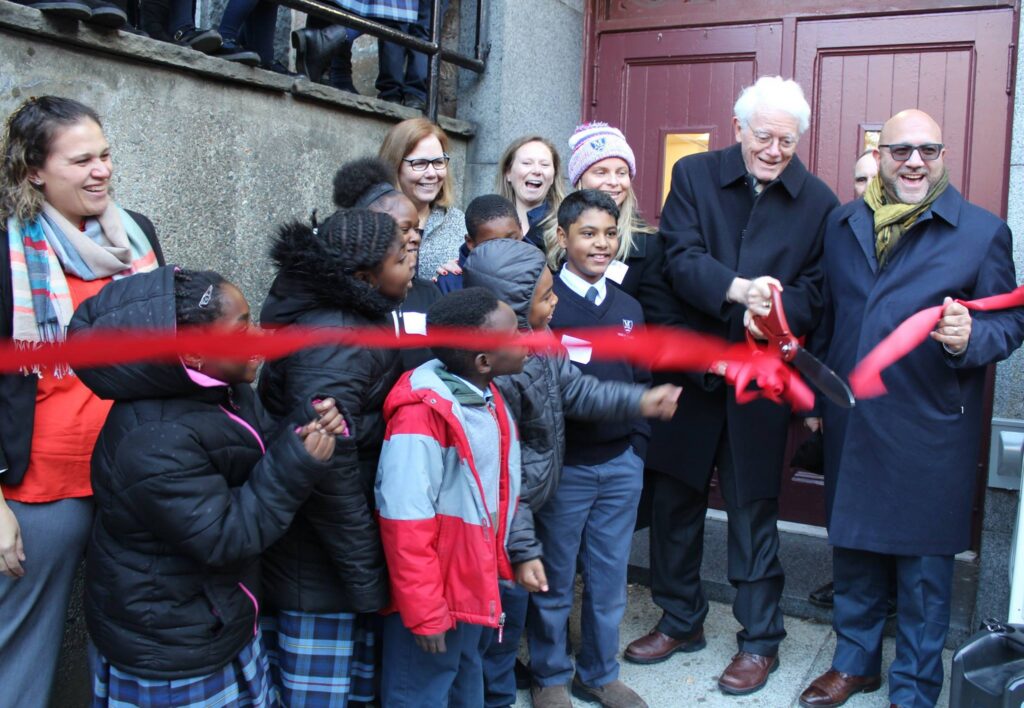
This work aligns with broader state efforts to address housing affordability and supply constraints. Proposed legislative efforts inspired by “Yes in God’s Back Yard” (YIGBY) aim to reduce zoning barriers and allow multifamily housing by right on eligible religious properties. Advocates argue such reforms could expand affordable housing, generate new tax revenue and better align land use with faith-based missions of service. The Lynch Foundation’s involvement demonstrates how private philanthropy can catalyze systemic change by connecting values, data and policy.
A Legacy that Evolves: Engaging the Next Generation
Each new generation may allocate up to 20% of annual funds as a new fifth pillar, adding to the original four pillars established by Carolyn and Peter Lynch. This fifth pillar can be modified every five years. The second generation chose to focus on housing stability, balancing continuity with adaptability.
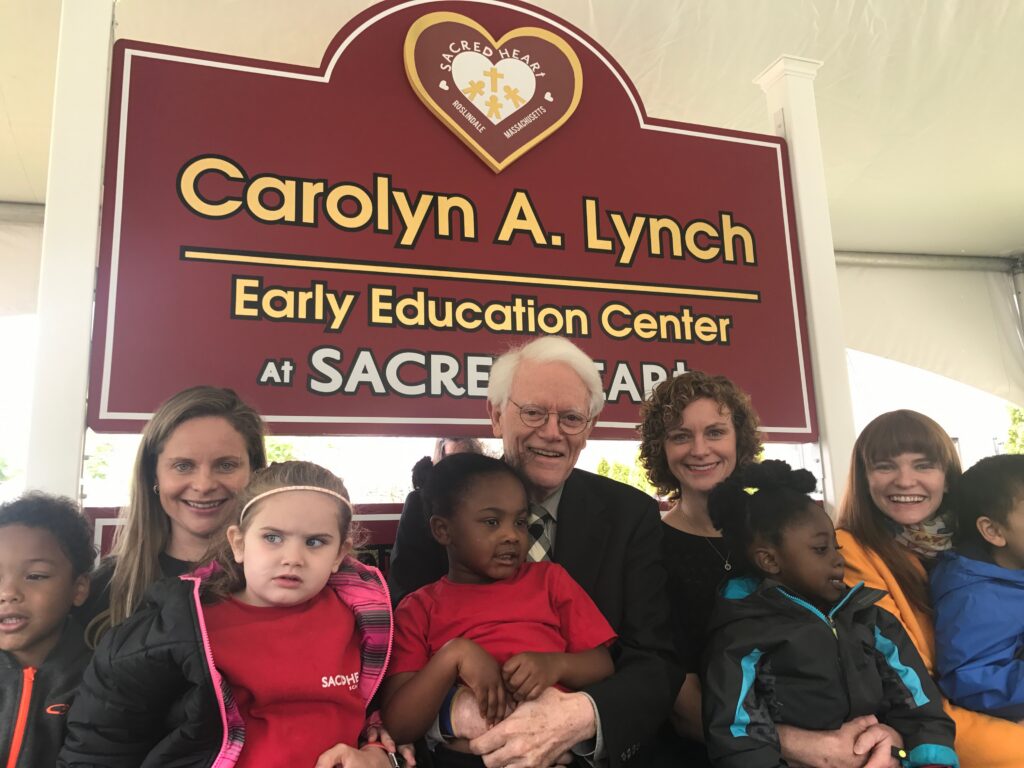
“We anticipate that as generations evolve, there might be a next generation area of interest on an issue that we don’t even know exists,” Everett says. “This gives us the flexibility to be responsive to the new generation, as well as remaining very committed to the four original areas of focus, of which 80% of the annual distribution will be invested.”
With six non-family members on its 10-person Board, clear roles and expectations are essential. A family values statement articulates the Lynches’ giving philosophy and defines what it means to serve as a trustee, helping ensure fidelity to donor intent across generations.
Board recruitment reflects the foundation’s distinctive culture. Everett looks for a balance of confidence and humility: “Arrogant enough to do it, and humble enough to know they’ve got to learn and fail and evolve and grow. Transparency and authenticity are also paramount,” Everett says.
By investing deeply in community, cultivating future leaders, and remaining unwavering in its core principles, The Lynch Foundation exemplifies a model of philanthropy grounded in faith, fidelity, and long-term vision. The legacy of Carolyn and Peter Lynch demonstrates that meaningful giving is not merely about strategic grants, but about trust, relationships, and the disciplined courage to invest for the long haul—a legacy poised to shape communities for generations to come.
If you would like to learn more about The Lynch Foundation, please contact Vice President of Strategic Giving Esther Larson Lenger.
