The freedom movement is entering a new chapter. As established institutions adapt and new organizations emerge, donors are asking important questions about leadership, talent and where to invest for lasting impact.
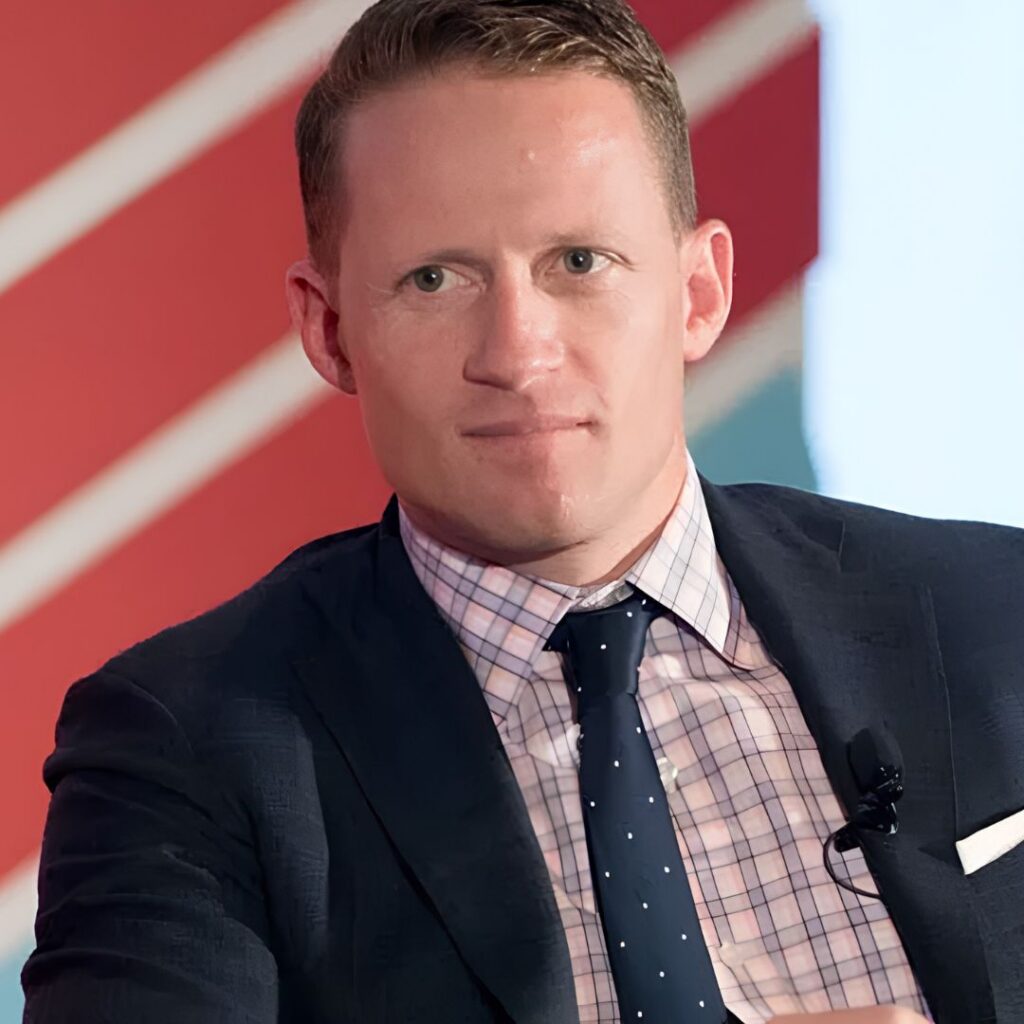
We spoke with Advancing American Freedom (AAF) President Tim Chapman about the opportunities he sees, the lessons he’s learned growing AAF and why he believes the freedom movement’s future remains bright.
Chapman believes the freedom movement’s long-term success will depend on principled leadership, sustained investment in talent and organizations that pair conviction with execution. For donors, the challenge is not simply to respond to today’s debates, but to invest in the people and institutions that will shape the movement for generations to come.
The following interview has been edited for length and clarity.
Q: Over the past year, you’ve helped lead a significant expansion of Advancing American Freedom during a period of considerable change within the freedom movement. What has that experience taught you about the current state of the movement and the opportunities ahead?
Chapman: First and foremost, the tremendous support for AAF over the past few years has been truly humbling. I can’t say enough great things about the scholars who have joined our ranks and the generous supporters who made it possible.
There’s no question that change is afoot inside the movement. But it needed to change and it needed a shakeup. I look at it as the market functioning – supply and demand – and staffers are moving to where they are wanted.
But it underscores my optimism not only in the future of our movement, but in the need for hope and a positive vision for America and our future. Some of the best people in America have dedicated their lives to advancing freedom in Washington, D.C. The movement has never been a monolith. Debate is healthy and while social media elevates today’s divisions and vitriol for clicks, I will always believe that the free exchange of ideas is a healthy part of a movement focused on the ideas that make America great.
Q: One of the developments over the past year has been the movement of talented leaders and scholars into new roles and institutions. What does that tell you about the importance of talent and leadership in strengthening the freedom movement?
Chapman: I’ve been truly moved by the talented individuals willing to put themselves out there and say “I want to be a part of that” over the past year.
People are policy. AAF wants to be the premier advocate for principled conservatism in Washington, D.C. That means hiring the best people.
Talent and leadership are part of the formula but they’re not everything. I’m a lacrosse coach on the side and I always tell my players, “Hard work beats talent when talent doesn’t work hard.”
But we have to do a better part in developing our young talent. This is why AAF is launching a national leadership program aimed at college students and early career professionals.
Q: What qualities distinguish organizations that are well positioned to shape the future of the movement?
Chapman: Talent, principle and execution are key factors for distinguishing well-positioned organizations. The combination of talented staff plus a commitment to principle creates the ability to influence the national conversation and drive policy change. President Ronald Reagan encouraged the conservative movement to stay principled for freedom when he advocated for bold colors, not pale pastels.
Organizations that stick to principles of free markets, limited government, traditional values, a strong national defense and the permanent things will persevere in the long term.
Q: Over the past year, you’ve seen both established institutions adapt and new organizations emerge. How should donors think about investing in existing institutions versus supporting new ones? What factors should guide that decision?
Chapman: Put your money where your heart is. Find an organization that is aligned with you and your conscience. Don’t be afraid to ask questions. Organizations should have plans. Plans for growth, plans for impact and plans for making a difference.
Existing institutions have stability and name recognition but new institutions can drive change as well.
Find a group that you believe in, and that stands consistently for the principles you embrace.
Look local then look national. For example, AAF is increasingly collaborating with State Policy Network affiliates around the country. Maybe see if your state affiliate has opportunities to engage.
Q: What gives you optimism about the future of the freedom movement despite the challenges we’re seeing today?
Chapman: I’m an optimist by nature and it’s hard not to be optimistic. Just look at the amazing support that has come to AAF just in the last year from generous Americans who are concerned about our movement and our nation’s future.
The future of the freedom movement is directly tied to our ability to reach college students and early-career professionals.
The new right has done an excellent job of that. We must match their investment and sweat equity in training up the next generation.
For more information about the AAF or advice on policy-related grantmaking strategy, please contact Senior Director of American Values & Policy Philanthropy Clarice Smith
