Growing up, Lisa Tarshis watched her sister struggle within the traditional public school system. She lacked support from teachers, who wrongly assumed she didn’t care about schoolwork, and was clinically depressed and suicidal. Understanding the challenges a typical classroom presented for her daughter, their mother took matters into her own hands, enrolling her in a program that better accommodated her unique learning needs. Her whole life changed.
“We started seeing a happy kid again. We started seeing someone who was having success and gaining confidence. The tension at home and at school dwindled. What it showed me was that education doesn’t just affect a kid; it affects a family,” said Tarshis, head of the Primer Foundation.
Primer Foundation
The formative experience impacted Tarshis, who witnessed firsthand how being able to access different educational options benefited students like her sister and families like hers. When she learned about the Primer Foundation she knew she had the opportunity to help thousands of kids across the country access the education they need to thrive. The foundation ensures that finances never stand in the way of a student attending a Primer Microschool by providing scholarships to families in need.
“A relatively small investment — often between $1,000 and $2,500 – can provide a high-quality education for a year, opening a world of opportunities for a kid,” said Tarshis. “One of the pieces that excites me most is that over the next three to five years, we’ll get the cost to educate down to within what families get from educational choice funding, eliminating the need for philanthropy for annual scholarships.”
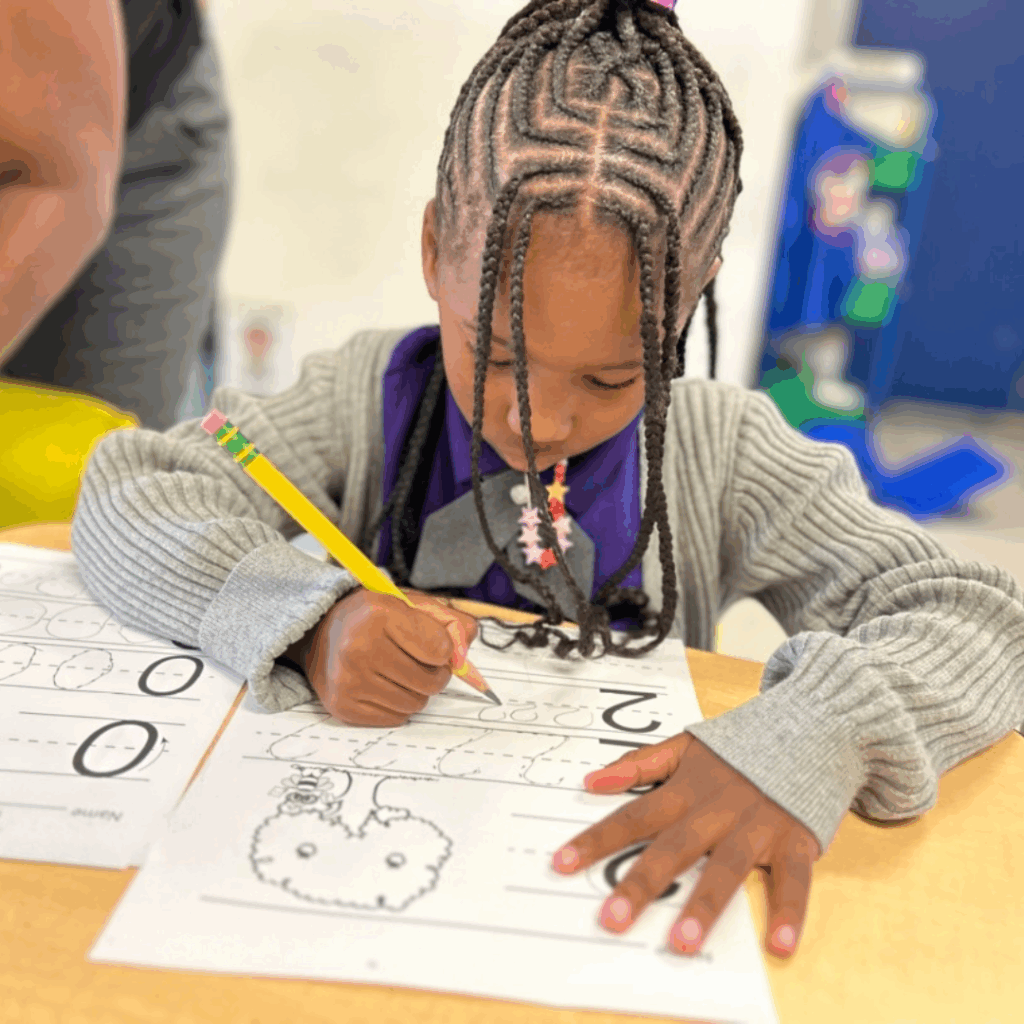
At Primer, students in grades K-8 focus on mastering math and literacy and exploring their passions. Campuses are rooted in the community and intentionally small, serving under 150 students.
While microschools, private and charter schools can be great alternatives to low-performing public schools, even with Educational Savings Accounts (ESAs), school vouchers, and tax credit scholarships, schools that meet students’ needs can still be financially out of reach for families.
“One hundred percent of families who have needed financial aid to attend Primer have been awarded the funds to make Primer a reality for them,” Tarshis said. “It is a strong commitment of ours to never turn a family away because of their ability to pay.”
Primer believes in the importance of educational options and is proud to play a role in building out a stronger ecosystem for all providers and families. A central piece of this is building coalitions with other schools and providers, public policy organizations, parent empowerment organizations and others to address local policies that restrict educational freedom.
Many states have zoning and local land-use laws that restrict where new schools can open. In Florida, Primer helped craft and pass HB 1285, which allows religious organizations, community service organizations, museums, performing arts venues, theaters, cinemas and related organizations to house schools by right. The bill resulted in creating about 50,000 new locations in Florida where schools can now operate.
The Primer Microschool Impact
As Primer continues to expand its physical presence, the schools are also expanding student achievements. About 30% of Primer’s students start two or more grades behind in reading and math. Jazmyn joined Primer as a fourth grader reading at a first-grade level. Through her individualized reading plan, she completed two years of reading in one year.
This type of accelerated learning is not unique at Primer schools. Thirty percent of students who join Primer are two or more grade levels behind in reading and/or math and see huge success in closing long-standing educational gaps.
“This isn’t just about teaching kids to read,” Tarshis said. “We know that students not reading on grade level by fourth grade are 10 times more likely to be incarcerated than to graduate. By teaching students to read, we are changing the trajectory of their lives and their communities.”
How can Philanthropy Help?
Primer believes that microschools are the future. “Families are realizing that they have choices in education and they’re exploring those options,” says Tarshis.
One of the incredible things about microschools, from Tarshis’ perspective, is the ability to have an enormous impact with a relatively modest gift and quickly see that impact in real life. And that’s where philanthropy can help.
“At Primer, we can create a microschool in about six months,” she said. “It costs us about $300,000 to open a new school that will serve between 90 and 120 kids and to get that school through year one, at which point it’s self-sustaining.”
Primer’s next goal is to have 10,000 students enrolled in Primer Schools located in both inner cities and rural areas in five years. Primer believes that its model to partner with existing establishments like churches will help the schools scale quickly.
If you are interested in learning more about the Primer Foundation or how Philanthropy Roundtable supports K-12 education, please contact Pathways to Opportunity Program Director Stephen Allison here.
