Civics PlaybookJohn Jay Institute
- Mission: To prepare principled leaders for faith-informed public service.
- Geographic Focus: National
- Audience: Young professionals. military officers early in their careers and the public.
- Budget: $750,000
- Focus Areas and Core Competencies:
- Unique model of postgraduate, residential programming with academic seminars on constitutionalism, virtue and liberty
- Field studies on the American founding
Faith-Informed Leadership for the Public Square
Impact: John Jay Institute
The John Jay Institute has shaped over 850 young leaders through our fellowship programs, strategically placing them in key institutions including Capitol Hill, think tanks, K-12 schools, universities, churches, museums, business and the military, where they advance faith-informed public service.
A Conversation with Todd Williams, President and Board Chair of the John Jay Institute
Q: What is the mission/work of your organization? What problem(s) in civics education is your nonprofit working to solve?
The John Jay Institute identifies rising, young leaders and provides academic training, mentorship and cultural and historic experiences that set them up to lead lives of faith-informed public service. In our society filled with loneliness and civic breakdown, we teach fellows how to build and live out community with others as they live in-residence in Langhorn, Pennsylvania, discuss controversial topics while remaining friends and seek the good of the city in ways as varied as politics, art and military service.
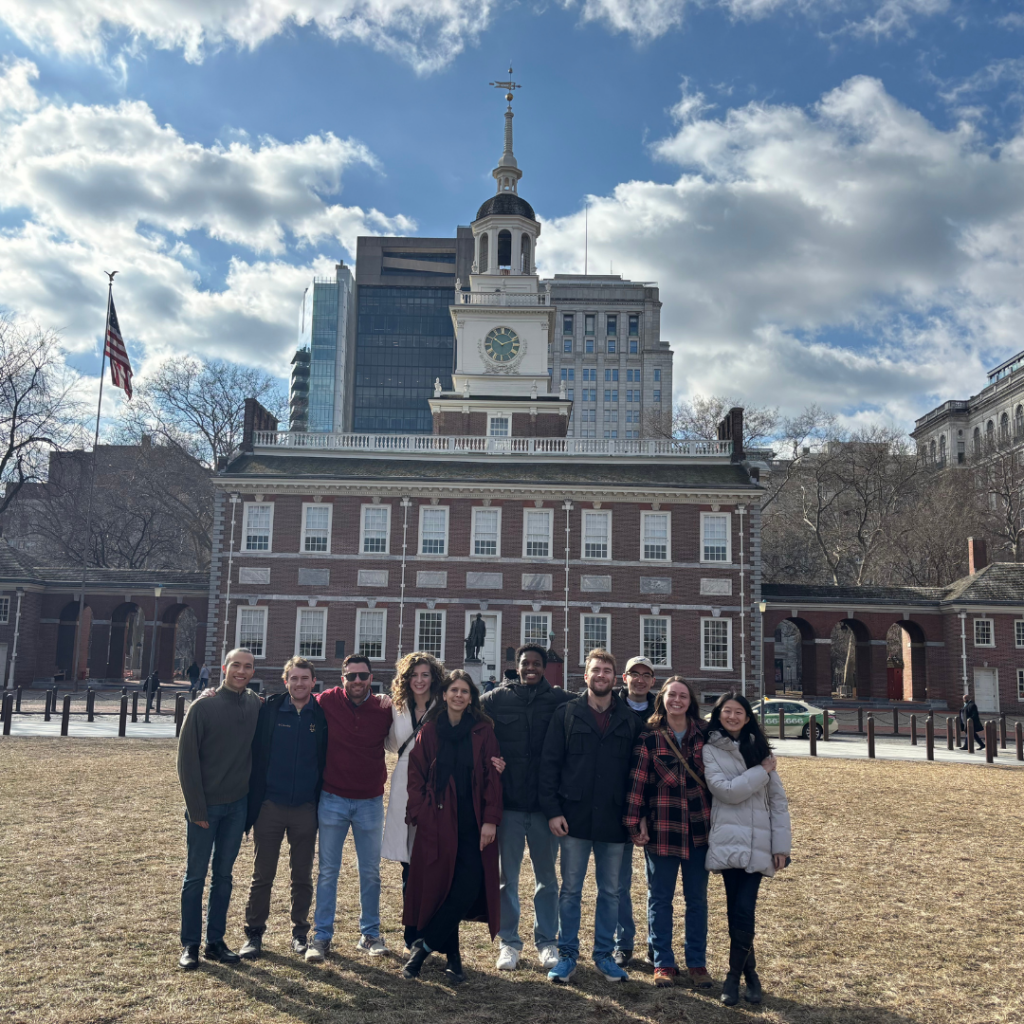
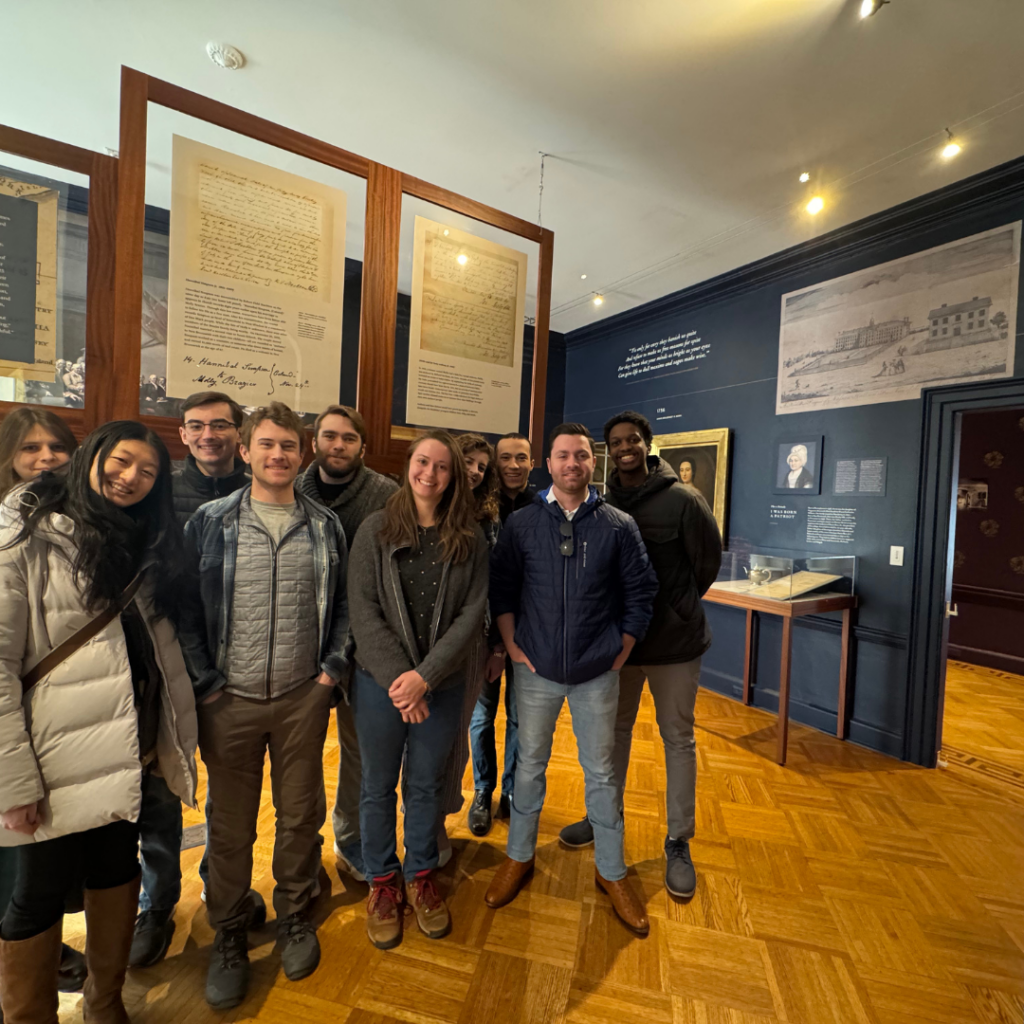
Our programs are intensive, community-based and academically rigorous. Every day, the fellows engage in daily communal prayer, study great texts and participate in seminar discussion. They take weekly field studies to sites in nearby Philadelphia, New York and New Jersey to apply their philosophical and theological studies to the American historic landscape. John Jay Institute programs provide Christian leaders with the moral, intellectual and spiritual formation that greatness requires. Equipped with this spiritual, moral and intellectual foundation, they are placed at leading civic institutions.
Q: Does your organization have any upcoming programs or events planned in recognition of the 250th anniversary of the United States?
Because of our military Fellows and of the important role they play in shaping the future of America’s fighting forces, our plan for A250 is to dedicate time and resources to the military history of the American Revolution, which showcased republican warfighting.
As part of regular programming, John Jay Fellows take part in battlefield tours during their weekly Friday field studies. Among the sites they visit are Valley Forge, Monmouth, Princeton, Washington’s Crossing on the Delaware River and Brandywine. The civic militarism of the American Revolution laid the foundation for how Americans think about what they fight for and how they fight. This republican tradition should be celebrated as part of the 250th anniversary.
Q: How do you describe the big goals your organization is working to achieve? How do you measure impact?
At the highest level, the John Jay Institute seeks to transform society through faith-informed leaders. The John Jay Institute measures success through its alumni and whether they go on to lead productive, engaged lives as good neighbors, wise policymakers and strong families.
An important outcome is the placement of alumni in important positions of leadership as they continue with faith-informed service. We see that nearly 90% of alumni report that they are even more motivated to make a positive impact on society after completing the program – and our distinguished placements indicate this is a success. Each semester, the John Jay Institute connects current fellows with alumni through several planned events that attract alumni from across the country and through individualized introductions to alumni placed in strategic positions.
Numerous John Jay Fellows go on to work on the Hill and for major Washington D.C. think tanks and law firms. Our military alumni include both Saratoga Fellows and John Jay Fellows who go on to serve the country in defense. In higher education, John Jay alumni teach at universities generally and in many of the new civics centers around the country.
These alumni placements include faculty at the Hamilton Center at the University of Florida, the University of Toronto, the University of Pennsylvania and the University of Toledo. John Jay Fellows are deeply involved in K-12 education, with many fellows going on to teach at charter school networks like the Great Hearts Academies.
Q: What are some of the biggest challenges your organization has experienced working to accomplish its mission? How did your organization overcome those challenges?
One of our biggest challenges was limited physical capacity for fellows. Since 2017, our campus could only host eight fellows per semester, significantly constraining our growth and impact. To address this, we conducted our Courage and Character campaign which first focused on renovating the original campus to expand its capacity. Upon completion, we opened a second campus in September 2024. This campaign tripled our operational capacity.
The additional space has not only increased the number of John Jay Fellows every year, but also allowed us to make an even larger impact in civics education. Our larger footprint has enabled us to hold larger events, such as hosted joint dinners with distinguished guests, and practical workshops
Q: What are your organization’s biggest needs? How can philanthropists help your organization achieve its goals?
With an expanded physical footprint comes the need to recruit more heavily. Our recruiting efforts have always been relationship-based, but as we have increased our programming capacity, we recognize the need for more formal recruiting processes that will effectively circulate awareness of the Institute and attract top-tier candidates.
Our circle of influence is tight-knit and deeply loyal. Our connections understand the value of our mission. We would like to share our mission with other like-minded organizations so that we can grow their missions and they can grow ours. New donors to the John Jay Institute will play a vital role in sharing our work and can act as a force multiplier, connecting us with other organizations they support and expanding our collective impact.
Q: Beyond your organization, where should philanthropists who care about advancing civic knowledge and education invest their charitable dollars?
The great work we hear about charter schools like Great Hearts Academies and small, church-based classical schools are also worthy of support for the ways they build civic community, starting with impressionable, eager and excited students. The wonder of learning and discipline of studying are formed early in life. Programs that cultivate character, intellectual rigor and an appreciation for truth, beauty and goodness for children will shape society well in the long run.
Community sports and music programs like local bands and orchestras also teach important civic character traits that are critical for contributing to a republican system of government. These traits include working with others, recognizing mistakes and learning from them, receiving instruction and building discipline through focused, hands-on training, skills that are harder and harder to come by in today’s society.
Q: If you received an increase in funding, how would your organization expand its programming?
Generous support from new donors would deepen our current program offerings and help us build new, undergraduate and executive fellows programs. Partnerships with new donors would allow us to bring in more distinguished speakers for public events and conduct field studies and networking events in D.C. each semester. Those donors would also make it possible to begin cultivating, training and guiding dynamic faith-based leaders at earlier and later stages in their education.
New undergraduate programs would give more students the opportunity to experience our rigorous programs before graduation and further expand our pipeline’s impact. We already have a beautiful and impressive campus, and there is ripe opportunity before us for summer programming with like-minded organizations through short executive seminars and conferences.

Contact Our Team
Contact the Roundtable’s Programs team to learn more about this investment opportunity.