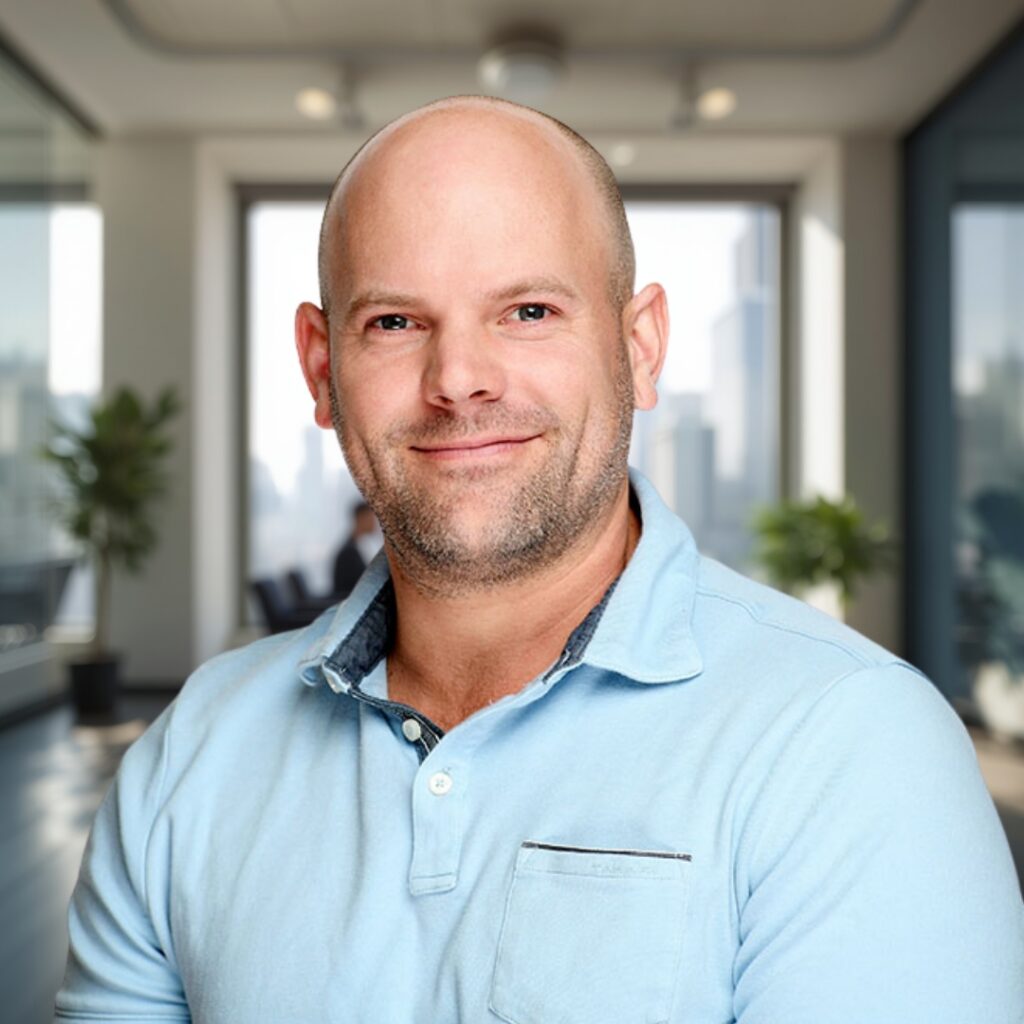
No two children are the same, yet the education system often remains rigid and limited. While reform efforts aim to change that, policies don’t always reach those who need them most.
In this conversation, Craig Hulse, executive director of yes. every kid., discusses how his organization strives to ensure school-choice policies are not only passed, but effectively implemented for families and students.
This interview has been edited for length and clarity.
Q. What is your mission?
We put families in charge of their children’s education.
At yes. every kid. (a 501(c)(4) nonprofit), we are working to build an education ecosystem as diverse as the kids it serves. That means working with lawmakers and governors to enact policies that give families real options across public, private and emerging learning models.
Alongside that work, yes. every kid. foundation. (a 501(c)(3) nonprofit) focuses on implementation, ensuring education freedom policies are designed and administered so they work for parents and students, not politicians and bureaucracies.
The policies we most often work on include expanding private school choice through Education Savings Accounts (ESAs) and education tax credits, championing open enrollment, enabling flexible and unbundled funding so students can mix and match learning experiences and supporting the growth of the microschool marketplace.
Q. Where do you see the most promising philanthropic opportunities in 2026?
The biggest opportunity in 2026 is making “choice” real for everyday families.
Over the past five years, states have rapidly enacted ESAs, education tax credits and open enrollment reforms, while also adopting a new federal tax credit program. But passing a bill is not the finish line. That is the “law on paper” phase. Now, we are in the “family experience” phase, which is often overlooked once policy advocates leave the bill-signing stage.
Philanthropy can create enormous leverage by funding the work that determines whether reform actually delivers:
- Rulemaking and implementation capacity: Offering technical assistance so states can build eligibility systems, payments, customer support and vendor onboarding, ensuring programs work from day one.
- Marketplace infrastructure: Removing friction so providers can participate and families can compare options.
- Ongoing strategic advocacy: Ensuring elected officials remain engaged to defend new laws and policies.
- Family-first research: Listening to parents and building feedback loops that improve programs over time.
Philanthropy that invests here is not just funding policy. It is funding student access and long-term viability.
Q. What key challenges and opportunities should donors keep in mind when considering their support for education reform?
The biggest challenge is mistaking “policy passage” for “success.”
Education freedom only works if families can use it easily and confidently. If programs are confusing, slow or burdened by excessive compliance rules and regulations, they quickly erode public trust. Poor execution can do more damage than no reform at all.
Historically, philanthropy has funded awareness campaigns that can generate early participation, but they do not build durable systems. Real success requires programs that stand on their own, because families value them and providers can operate without artificial barriers.
Donors should be asking different questions:
- Are we lowering transaction costs for families?
- Can parents move freely between schools and providers?
- Can new providers enter the marketplace without being forced to act like traditional public schools?
- Is oversight burdening families and suffocating innovation?
Education freedom becomes sustainable when it operates more like a healthy market and less like a managed program. Growth should come from families choosing what works, not from permanent philanthropic subsidies.
Q. What risks or constraints should donors be paying closer attention to?
Overcorrection.
There is often tension with new education freedom programs around oversight. But it can quickly become a tool that hinders parental choice and, in the worst cases, gets co-opted by interests seeking to restore the old assignment model.
A simple set of questions helps donors avoid funding overcorrection:
- Is oversight more excessive and/or prescriptive than what public schools face?
- Does it undermine parental autonomy?
- Does it confuse accidental misspending with fraud?
- Is it solely politically reactive?
These questions help ensure programs operate as intended: giving families real freedom outside the traditional system.
Q. What feels underfunded but high leverage?
Implementation.
The movement has made significant progress in passing laws, but the deciding factor now is whether these programs work in real life.
That is especially true as the Education Freedom Tax Credit comes online, which could shift billions of dollars toward family-directed learning. That potential only becomes reality if the system works smoothly from donors to scholarship organizations to families.
New funding streams.
There is growing interest in state-based education tax credits that place resources directly in families’ hands. These policies can reduce a family’s tax liability for education expenses, expanding customization without the administrative layers required in ESA programs.
Together with ESAs, they give policymakers additional pathways to expand family-directed funding.
Q. If you were directing grant dollars today, where would you focus?
Three areas:
- Implementation: Ensuring speed, clarity, reliable payments and strong customer support reduces friction between families and their chosen providers.
- Supply: Removing barriers so microschools, course providers, tutors and specialized learning models can grow.
- Access: Funding policy pathways that put dollars directly into families’ hands.
Q. What are the latest developments or strategic priorities for your organization that you would like to share with our community?
We built yes. every kid. and yes. every kid. foundation. to make education freedom available to every child, and to ensure it endures.
We are executing a 50-state expansion strategy, and this year our lean organization was directly engaged in 37 states. We operate effectively in deep-red states like Texas, purple states like Michigan and blue states like New Jersey because we focus on families, not party labels.
In some states, that means working with left-leaning partners to expand open enrollment. In others, it is overcoming “rural Republican” resistance to pass universal ESAs.
In every state, the throughline is the same: families deserve real options.
We operate at that scale because we built an integrated engine. Our in-house research identifies what families want. Our government affairs team translates that insight into policy change. Our implementation team ensures laws work in practice. Those lessons then feed back into policy design, so programs improve quickly. Finally, our grantmaking capability helps build long-term, in-state durability.
For donors, the message is simple. We help states move faster, execute better and scale further by making education freedom frictionless for families.
The future is bright when it comes to education reform opportunities, but it is important that these reforms are implemented in a way that truly serves the people they intend to help. Education freedom should be available for every child, but effectively enacting these reforms can be easier said than done. It is important to support organizations that are actively working to help states put their policies into action, so that families can actually benefit from them.
If you would like to learn more about yes. every kid. or how Philanthropy Roundtable supports K-12 education, please contact Pathways to Opportunity Program Director Stephen Allison.
